

You can still get a nationwide PPO in Florida. Here is how writers, designers, photographers and creators are choosing coverage when invoices arrive unevenly and prices just climbed.
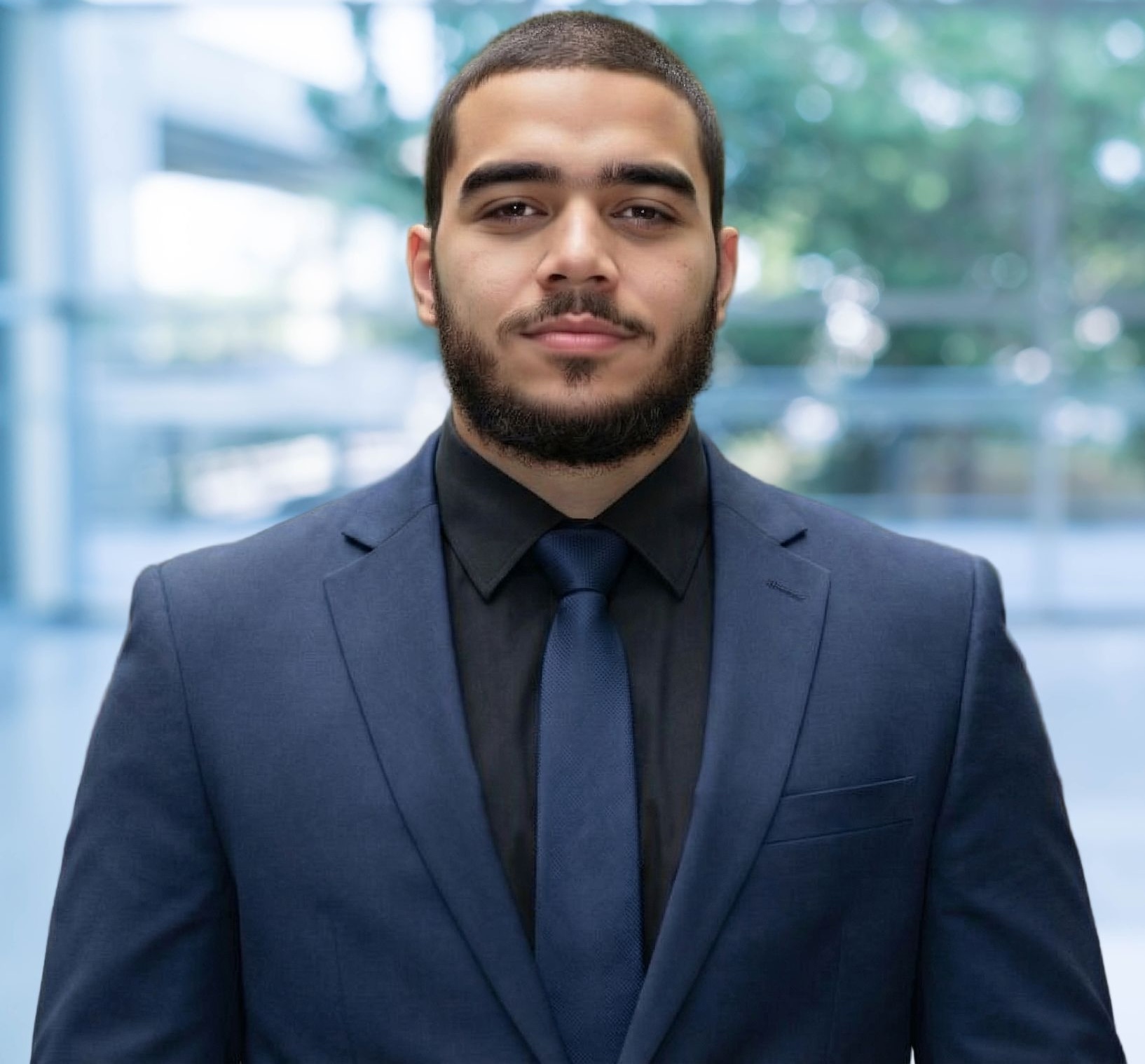
Hi, I'm Sam Jaber. I'm a health insurance broker in Tampa, and I help freelancers and creative people across Florida: writers, designers, photographers, editors, and people who earn from a channel or a brand. I'm licensed in 36 states, and everything happens by phone.
Freelance income is uneven anywhere. In Florida this year it collides with a marketplace that got more expensive, a PPO option that costs far more than everything else, and no Medicaid expansion under the leanest years. Those three facts change which plan makes sense for a creative here, so this page walks through them one at a time.
Here's where I'd start: you can still get a nationwide PPO in Florida, through me, and if you're healthy it can cost less than you'd guess.
On HealthCare.gov it looks like a luxury. A single insurer sells the marketplace PPO in every Florida county, and its markup is steep. In Alachua County it costs 121% more than the least expensive silver plan with a different network. In Leon the difference is 113%, and in Volusia 110%.
The other kind of PPO is a private plan that uses medical underwriting. It runs on a national network and is priced on your health, which is why a healthy freelancer can often come out ahead with it.
Florida residents buy marketplace coverage on HealthCare.gov, and help comes as a premium tax credit based on your household's income for the coverage year. For a freelancer, that income is net: invoices minus software, equipment, studio space, travel to shoots and the help you pay for.
The size of the credit matters more than usual this year. Florida's insurance regulator reported that approved 2026 increases on individual plans averaged 34.1%, before subsidies and weighted by enrollment. With the credit, a lot of that is softened. Without it, it's yours.
Find your case below.
Many freelancers land here once expenses come off. When you qualify, a plan through HealthCare.gov is generally your best value, since the credit doesn't apply to anything sold outside it.
Florida's marketplace leans hard on HMOs: 316 of its 410 plans. That suits a freelancer who works from home in one area, as long as your doctors are inside the network. Check them by name before you choose.
And treat your estimate as a living number. A big client, a viral month or a book advance can lift the year past what you reported, and the extra credit is settled when you file. Update HealthCare.gov when your outlook changes.
Next step: Bring last year's net and what's booked, and we'll set an estimate you trust and pick a plan whose network includes your doctors.
Busy creatives and established freelancers often earn past the credit range. Then the Florida increase lands in full, and the marketplace's PPO costs roughly twice what its other plans do in a typical county.
That's the moment to price an underwritten nationwide PPO. The application asks about your health, and the insurer either accepts you, declines you, or accepts you while excluding a particular condition. With good answers, the price can come in under the marketplace's full rate, and the network covers you whether you're shooting in Miami or spending a month in another state. Each plan sets its own benefits, so we go through them together first.
Next step: Call me and I'll put a nationwide PPO quote alongside the marketplace plans in your county for your household.
Every freelancer has had one: clients go quiet, invoices stall, and the year's income ends up tiny. In some states that means Medicaid. Not here. Florida has not expanded Medicaid, and the credit generally begins at 100% of the federal poverty level, so a household under that line can qualify for neither.
Because your income is a forecast, this is a year to plan, not guess. We look at what's realistically ahead before you apply.
Next step: Call me before you enroll in a lean year, and we'll work out what your household qualifies for.
If you take a daily medication or see a specialist, stay on the marketplace even at full price. It has to accept you and can't charge more for your health. Underwritten plans can do both.
In Florida, the remaining question is which network holds your care: a lower-priced HMO or EPO in your county, or the costlier marketplace PPO if your doctor is only in that one.
Next step: Send me your doctors and prescriptions, and I'll find the plans in your county that include them.
Uneven income is the constant. What's specific to Florida this year is the price jump at full cost, a marketplace PPO that's scarce and expensive, and a gap with no Medicaid beneath the lowest incomes. The approach stays simple: estimate your net honestly, then let your health choose between the marketplace and a nationwide PPO.
Straight answers, no sales pitch.
Yes, if household income for the year falls in the credit range. Florida uses HealthCare.gov, and freelance income counts after business expenses.
There's only one insurer selling it, and in most counties it's priced far above the other plans. Healthy freelancers often look at an underwritten nationwide PPO instead.
Plan carefully. Florida hasn't expanded Medicaid, and the credit generally isn't available below the poverty line, so a very thin year can leave a gap.
Yes. If you're healthy, I can quote private plans on nationwide PPO networks for you, whether your income comes from clients, a channel or both.
Your county, a rough net from last year, what's booked so far, and who needs coverage. I'll tell you which route makes sense and what it costs where you live, and if your current plan already fits, I'll say that.
The guide for every state, and other work I help with