

Feast-and-famine income makes health insurance harder than it should be. Here is how freelancers and creatives are picking a plan that fits the year they're really having.
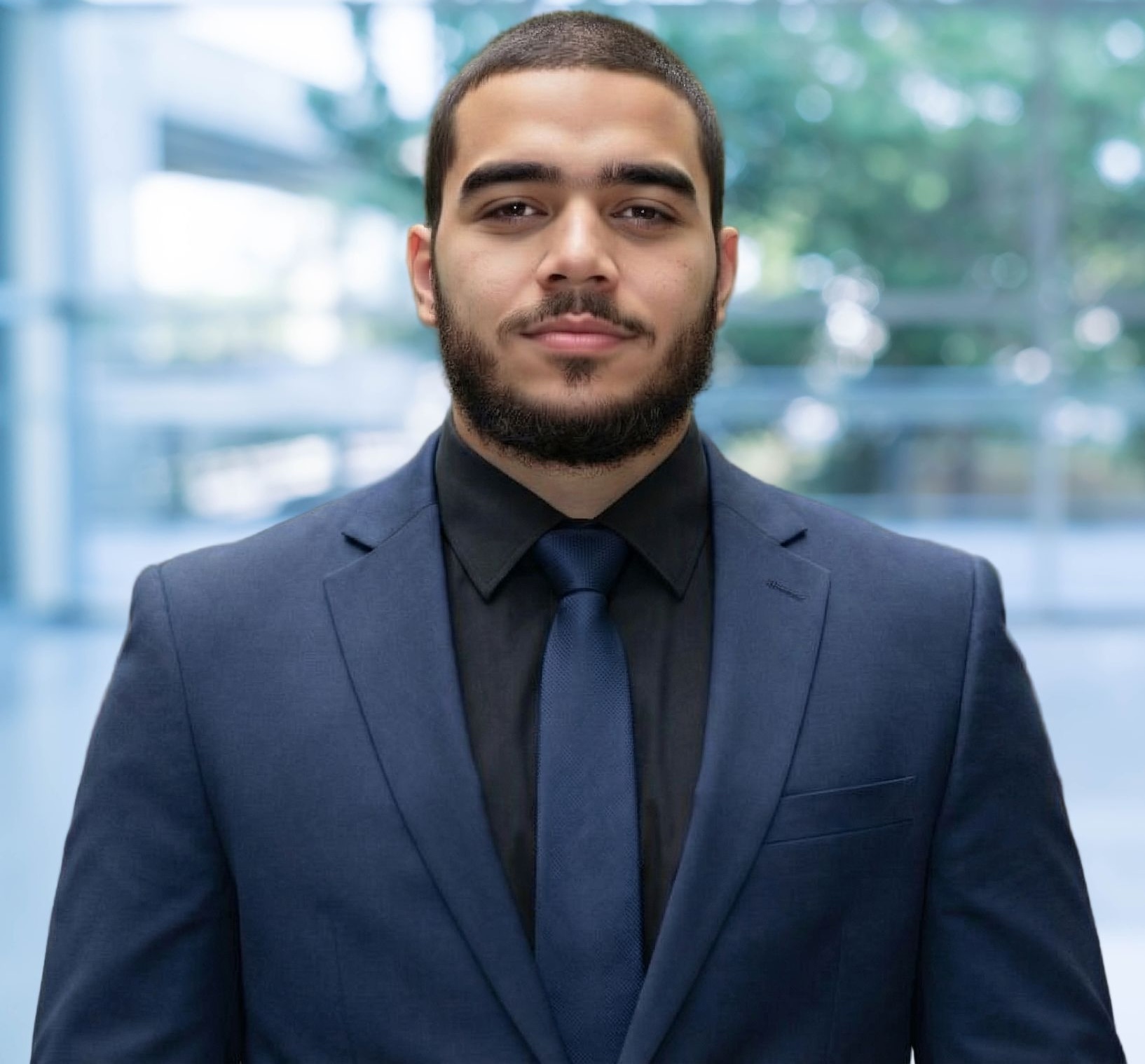
Hi, I'm Sam Jaber. I'm a health insurance broker in Tampa, and I help writers, designers, photographers, video editors and people who make content for a living. I'm licensed in 36 states, and the whole process happens over the phone.
Creative work leans heavily toward self-employment. Among writers and authors, about two out of three work for themselves. That freedom comes with a bill attached: your health plan is your job now, and your income doesn't arrive on a schedule. Some months a client pays within a week. Some months three invoices sit unpaid.
Here's how freelancers in your shoes are keeping coverage affordable, beginning with the one thing that decides your path.
Will your household income this year fall below the cutoff for marketplace subsidies? Your answer points you one way or the other.
Use net, not gross. If your invoices add up to a healthy-looking total but a good piece of it goes to software, gear, studio rent, travel to shoots and the people you hire to help, the marketplace looks at what's left over. The cutoff sits at four times the federal poverty level, which comes to slightly more than $60,000 for one person, and more for larger households.
Plenty of creatives end up under that line once expenses come off. Some of the busiest don't. Find yours below.
For a lot of freelancers this is the best news on the page. With a subsidy, a marketplace plan is usually the most affordable coverage you can get, since the help only applies to marketplace plans.
Your job is the estimate. The marketplace asks what you expect to make over the year and lets you change it as you go. Uneven income makes that hard, so here's what I suggest: start from last year's net, adjust for the clients you know about, and update the marketplace whenever a big project lands or one falls through. If your real income ends up higher than what you reported, the difference is settled on your tax return, and you may need to repay part of the help you got.
Next step: Book a call, bring last year's numbers, and we'll build an estimate you're comfortable with and choose a plan around it.
Freelancers and creators with steady clients or a strong channel often find themselves over the line. Then the marketplace shows its full price, and that can sting.
If you're healthy, private underwritten plans can be the better buy. You'll answer health questions on the application, and approved applicants are priced on that basis, often well under the full marketplace price. These plans use PPO networks that span the country, which is handy if you shoot on location or spend part of the year somewhere else.
Go in clear-eyed. Your health answers decide whether you're approved, declined, or approved with a condition excluded, and each plan sets its own benefits. We read the details together before you choose.
Next step: Call me and I'll price a nationwide PPO next to the full marketplace price, so you can see the gap for yourself.
If you live with an ongoing condition or take a medication you can't miss, stay on the marketplace even at full price. It can't refuse you or charge more based on your health. Underwritten plans can.
That doesn't mean picking blindly. We'll look for the marketplace plan that keeps your providers in network and covers your prescriptions, so the plan you pay for is the one you actually use.
Next step: Tell me your doctors and prescriptions, and I'll narrow the marketplace plans to the ones that cover them.
If you left a staff job to work for yourself, the employer plan usually ends with it. Losing that coverage opens a special enrollment period, generally 60 days, to get on the marketplace. COBRA is another route, but signing up for it and then cancelling early by choice won't reopen enrollment, so decide first.
First-year freelance income is the hardest kind to predict. That's fine. We'll make a reasonable estimate and plan to update it as clients come in.
Next step: Get in touch before your last day and we'll have new coverage ready to start when the old plan stops.
Plenty of freelancers think a PPO is out of reach because their marketplace offers only HMO or EPO plans, or charges a lot for its PPO. It isn't. I can offer a nationwide PPO in all 36 states I'm licensed in. If you're healthy, a short call will show you what it would cost.
You won't pay me anything. The insurance company covers my compensation when you enroll.
Straight answers, no sales pitch.
The marketplace bases help on your expected income for the whole year, not month by month. Give your best yearly estimate, then update it when your outlook changes.
Net. For self-employed people the marketplace uses net self-employment income, which is what's left after business expenses.
The subsidy is reconciled on your tax return. If you earned more than you estimated, you may have to pay some of it back. Updating your estimate during the year helps you avoid that.
Yes. If you're self-employed through your channel or brand, you buy coverage like any other freelancer: a marketplace plan, with a subsidy if your income qualifies, or a private plan if you're healthy and over the line.
Roughly what you netted last year, what's booked for this one, and who needs coverage is enough. I'll tell you which path is yours and what it costs, and if what you have now already fits, I'll say so.
Freelancers and creatives in your state
Other lines of work I help