

You can still get a nationwide PPO in Florida. Here is how growers and cattle families are buying their own coverage while income swings with weather, prices and the harvest.
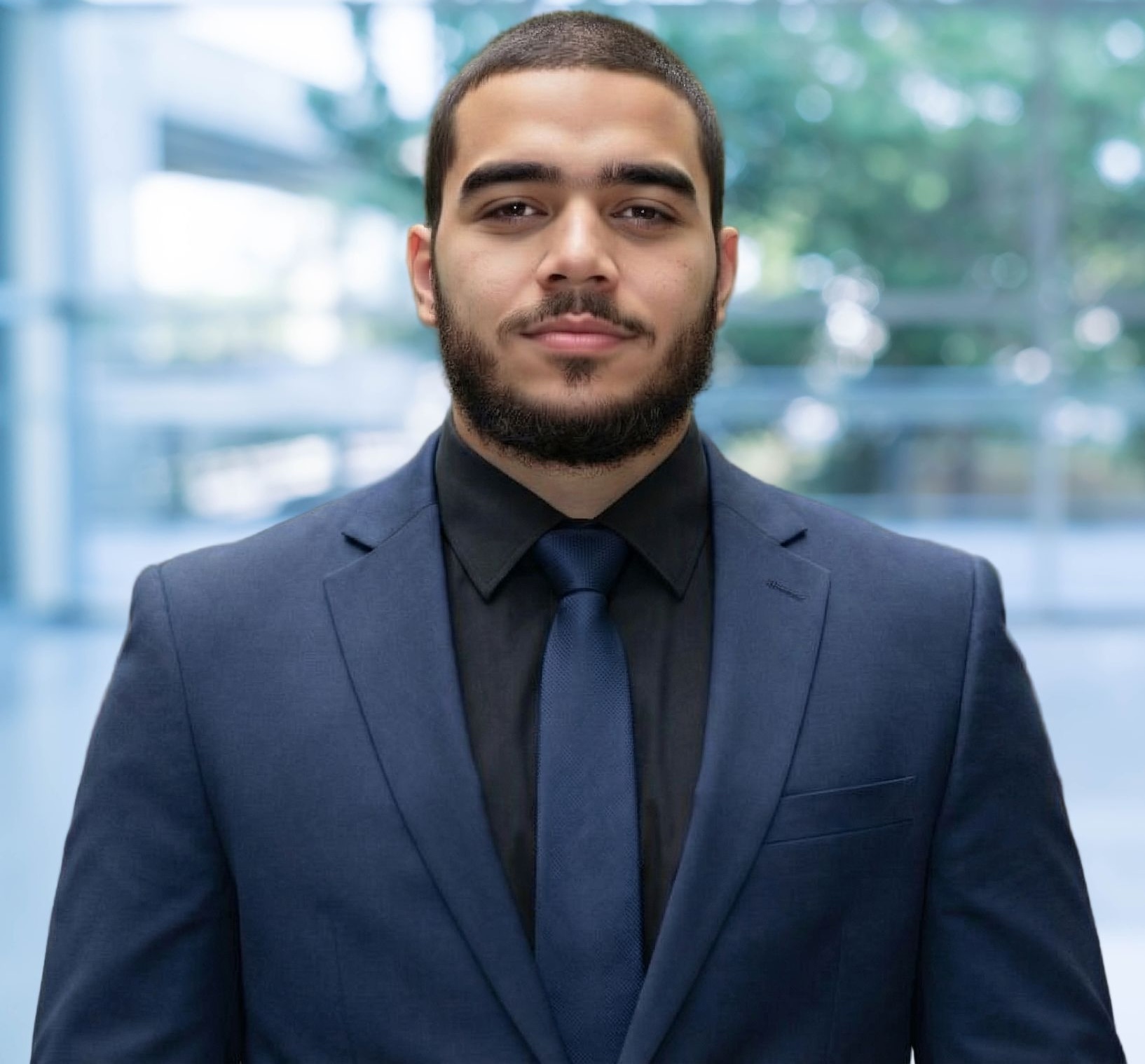
Hi, I'm Sam Jaber. I'm a licensed health insurance broker in Tampa, a short drive from a lot of Florida's farm and ranch country. I'm licensed in 36 states and handle everything by phone, so we can talk whenever the work allows.
Florida agriculture isn't what most people picture when they think of the state, but growers, cattle families and nursery owners are spread across it, and anyone running their own operation buys their own health coverage. This year that got harder. The full marketplace price rose, and the safety net under a bad year has a hole in it. Here's how farm families are handling both.
Even in rural Florida, you can still get a nationwide PPO, and for a healthy farm family it's worth knowing what one costs.
On HealthCare.gov the PPO looks out of reach. There's only one insurer selling a marketplace PPO in Florida, and inland counties pay a steep premium for it. Next to the lowest-priced plan on another kind of network, it costs 70% more in Hendry, 121% more in Hardee and 144% more in Okeechobee. In the typical Florida county, you'd pay about double.
A medically underwritten private plan is the other route. It runs on a PPO network spanning the country, and its price depends on your family's health. If the closest specialist is a long drive away, or a child is at college out of state, a network like that has real value.
Before plans and prices, I need to know if your household qualifies for the premium tax credit through HealthCare.gov. That depends on your household income for the coverage year, and for an operation that's the net left once feed, fuel, seed, labor, equipment and land costs come out. The cutoff is about four times the poverty level, higher for larger families.
Farm income is famously hard to call ahead of time. A freeze, a hurricane, disease in a grove or a strong cattle market can each change the answer. Most families look at the last few years to see their range.
This year the stakes are higher in Florida. By the state regulator's count, approved 2026 rates for individual plans rose 34.1% on average, weighted by enrollment and set before any subsidy. Find the year that sounds like yours.
When the operation nets less and your household lands under the line, a HealthCare.gov plan is usually the most affordable one you can get. The credit only applies to marketplace plans.
The risk is the estimate. If a late sale or a recovering market pushes your income above what you reported, part of the credit may need to be repaid at tax time. Report big income changes as they happen.
And watch the bottom of the range. Florida never expanded Medicaid, and help through HealthCare.gov generally doesn't start until income reaches the poverty level. A truly disastrous year, where the household's income falls under that level, can leave you eligible for neither. That's not the time to guess.
Next step: Send me your last few years of farm returns and we'll work out an estimate you can stand behind before you choose a plan.
Once the operation does well, the credit disappears and you pay the full Florida price, this year's increase included. For a healthy household, that's a lot of money for coverage you hope not to use.
That's when I price a medically underwritten nationwide PPO. Each family member answers health questions, and the insurer accepts the application, declines it, or accepts it with a named condition excluded. Good health is the reason the price can come in under the full marketplace rate. These plans set their own benefits, so I'll walk you through what any plan you like actually covers.
Next step: Call me and I'll put a nationwide PPO quote beside the marketplace plans in your county so the difference is clear.
Farm families often carry more than one generation. If anyone on your plan has a chronic condition or a medication they can't go without, I'll usually keep you on the marketplace, even in a good year. Marketplace plans must accept everyone and can't charge more for a health history. An underwritten plan can decline someone or exclude the condition that matters most.
Then we choose carefully among the HMO, EPO and PPO plans in your county, based on where your family's doctors and pharmacy actually are.
Next step: Tell me which doctors and prescriptions your family depends on and I'll compare the plans in your county with you.
Three things stand out. Full-price coverage rose sharply this year, which hits hardest in your good years. The marketplace PPO costs far more than the other plans in most counties. And with no Medicaid expansion, your worst years have less of a cushion under them. The plan is still simple: get your income estimate right, then let your family's health decide between the marketplace and a nationwide PPO.
Straight answers, no sales pitch.
Look at your last few years for a range, use your best estimate for the coming year, and update HealthCare.gov when a big sale or a loss changes the picture.
The state regulator reported that approved 2026 rates for individual plans rose 34.1% on average, before subsidies. In a good year without the credit, you pay that full price.
Not necessarily. Florida hasn't adopted the Medicaid expansion, and the marketplace credit generally starts at the poverty level, so income below that line can fall into a gap. Call me before you enroll.
Yes. The marketplace sells one PPO in every county, usually at a steep premium. Healthy families can also compare a private underwritten plan on a nationwide PPO network through me.
Your county, who in the family needs coverage, and what the operation netted the last couple of years. I'll show you which path fits a year like yours and price it, and if your current plan is already the better choice, I'll tell you to keep it.
The guide for every state, and other work I help with