

You can still get a nationwide PPO in Florida. Here is how pastors and clergy whose congregation can't offer a health plan are covering their families in a year when prices rose.
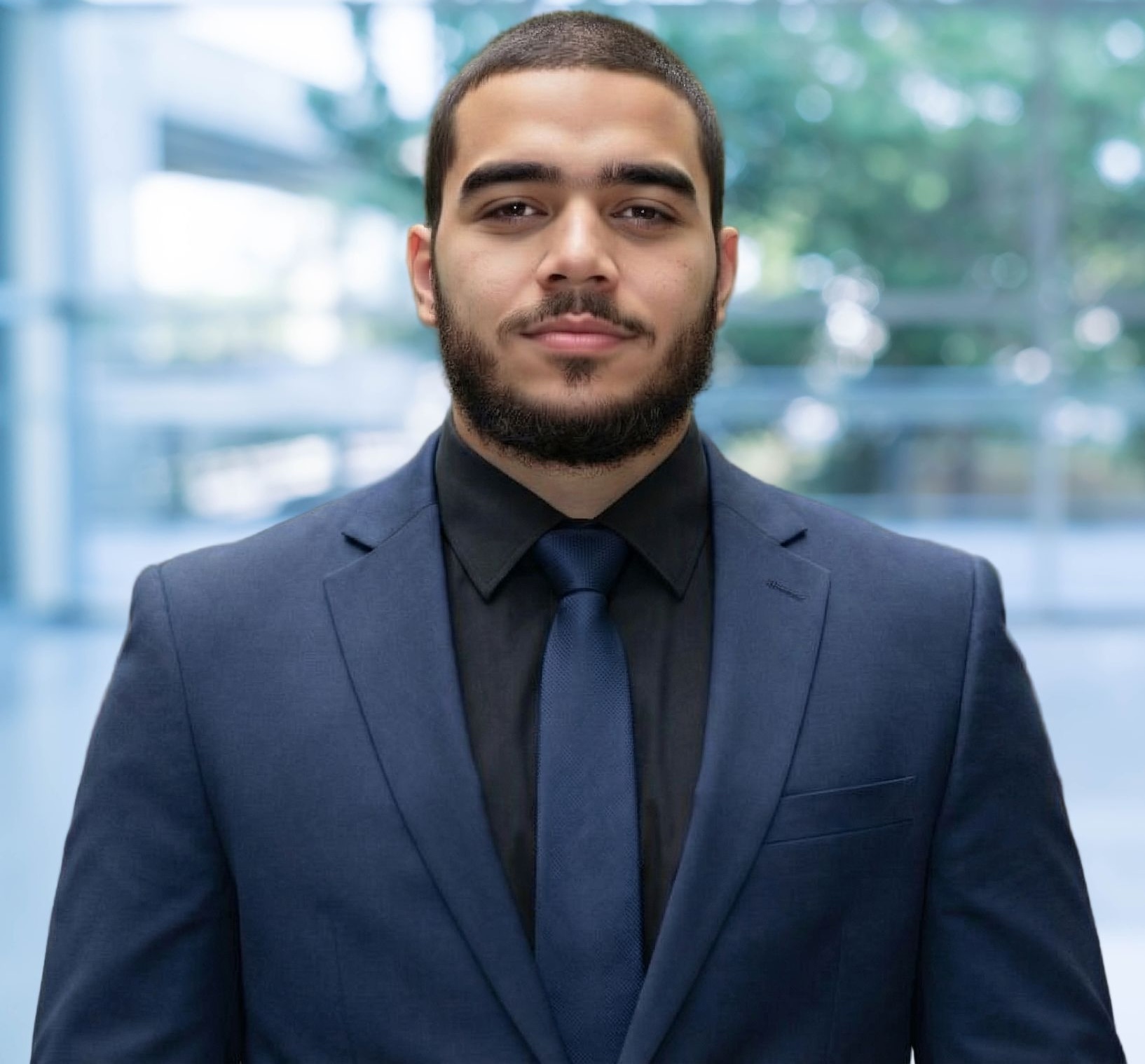
Hi, I'm Sam Jaber, a licensed health insurance broker here in Tampa. I'm licensed in 36 states and I meet with everyone by phone, so it makes no difference whether your church is in Jacksonville or a small town in the Panhandle.
Florida pastors usually reach me when they realize the congregation simply can't carry a group health plan. That leaves the pastor's family buying its own coverage, in a state where the full marketplace price climbed sharply this year and where a very low-income year has less of a safety net than in many other states. My aim here is to make the choice clear and calm.
Pastors are often told otherwise, so I'll say it plainly: you can still get a nationwide PPO in Florida through me, and a healthy family above the subsidy line should see what one costs.
The confusion comes from HealthCare.gov. One insurer sells the only marketplace PPO in the state, and it's pricey nearly everywhere: in 64 of Florida's 67 counties it costs at least 50% more than the lowest-priced plan on a different network, and in the typical county about twice as much.
Medically underwritten private plans are a different route. They're built on PPO networks with doctors throughout the country, and they're priced on your family's health instead of the marketplace's rates.
Everything turns on one thing: will your family's income for the coverage year be low enough for a premium tax credit? Floridians get that credit through HealthCare.gov, and it stops at roughly four times the poverty level. A pastor with a spouse and children has quite a bit more room under it than a single person.
Clergy pay is unusual. It often includes a salary and a housing allowance, and ministers follow tax rules that most people don't. Which pieces of your pay count as income for the marketplace is a question for your tax preparer, and it's worth asking before you enroll. Bring me that figure and the rest follows.
The answer matters more than usual this year. Florida's regulator reported that approved 2026 premiums for individual plans rose 34.1% on average, an enrollment-weighted figure measured without subsidies. Below the line, the credit takes much of that weight off your family. Above it, you carry it.
For many pastors' families, this is the path. When your household is in the credit range, a HealthCare.gov plan is usually where coverage costs the least, because the credit can't be used anywhere else.
Two things deserve your attention. The estimate is the first. If a raise or a second job pushes your income higher than you reported, part of the credit can be owed back at tax time, so update HealthCare.gov when your pay changes. The network is the second. We'll make sure the plan includes your family's doctors and the hospital you'd actually use.
Next step: Bring me the income figure from your tax preparer and I'll help you choose a marketplace plan that fits your family.
This is the Florida situation every small-church pastor should know about. Florida has not adopted the Medicaid expansion, and the marketplace credit generally begins only once household income reaches the federal poverty level. A family under that level can find itself qualifying for neither, even though it needs help the most.
This is exactly the kind of case to walk through on the phone rather than guess at on a website.
Next step: If your income is near the bottom of the range, call me before you enroll and we'll work out what your family can get.
Some pastors, especially at larger churches or with a spouse who works, end up above the line. Then the full Florida price applies, increase and all.
If everyone is in good health, the next number I'd get you is for an underwritten plan on a nationwide PPO network. Everyone on the application answers health questions, and the insurer accepts, declines, or accepts with a specific condition left out. Good health is what lets the price fall below the full marketplace rate. Benefits vary from plan to plan, so I'll explain what a plan covers before you decide.
Next step: Reach out and I'll lay a nationwide PPO beside your county's marketplace choices so you and your family can weigh them together.
If anyone in your home manages a chronic condition or relies on a daily medication, the marketplace is usually where you belong, whatever your income. Marketplace plans can't refuse anyone or charge more for their health. An underwritten plan can.
From there we choose between Florida's lower-priced HMO and EPO plans and the marketplace PPO, based on where your family's doctors are.
Next step: Tell me the doctors and prescriptions your family depends on and I'll go through the plans in your county with you.
Straight answers, no sales pitch.
You can buy your own plan through HealthCare.gov, where a tax credit may lower the price depending on household income. Healthy families above the credit range can also compare a private nationwide PPO.
That's a tax question, and ministers' rules are unusual. Your tax preparer can confirm which parts of your pay count. Once you have that figure, I'll help you use it.
It can fall into a gap. Medicaid was never expanded here, and marketplace help typically begins at the poverty line, so a household earning less than that may be left out of both. Call me before you enroll so we can check what your family can get.
Yes, one, sold by a single insurer in every county. In the typical county it costs about twice the lowest-priced plan with another network type.
Your Florida county, everyone who needs coverage, and the household income figure your tax preparer gives you. I'll show you which path fits and what it costs, and if the plan you have is already the right one, I'll say so.
The guide for every state, and other work I help with