

You can still get a nationwide PPO in Alabama, and an AC company on the Gulf Coast, where storms can rewrite the year, has a few things to get right. Here's how Mobile Bay owners are choosing coverage.
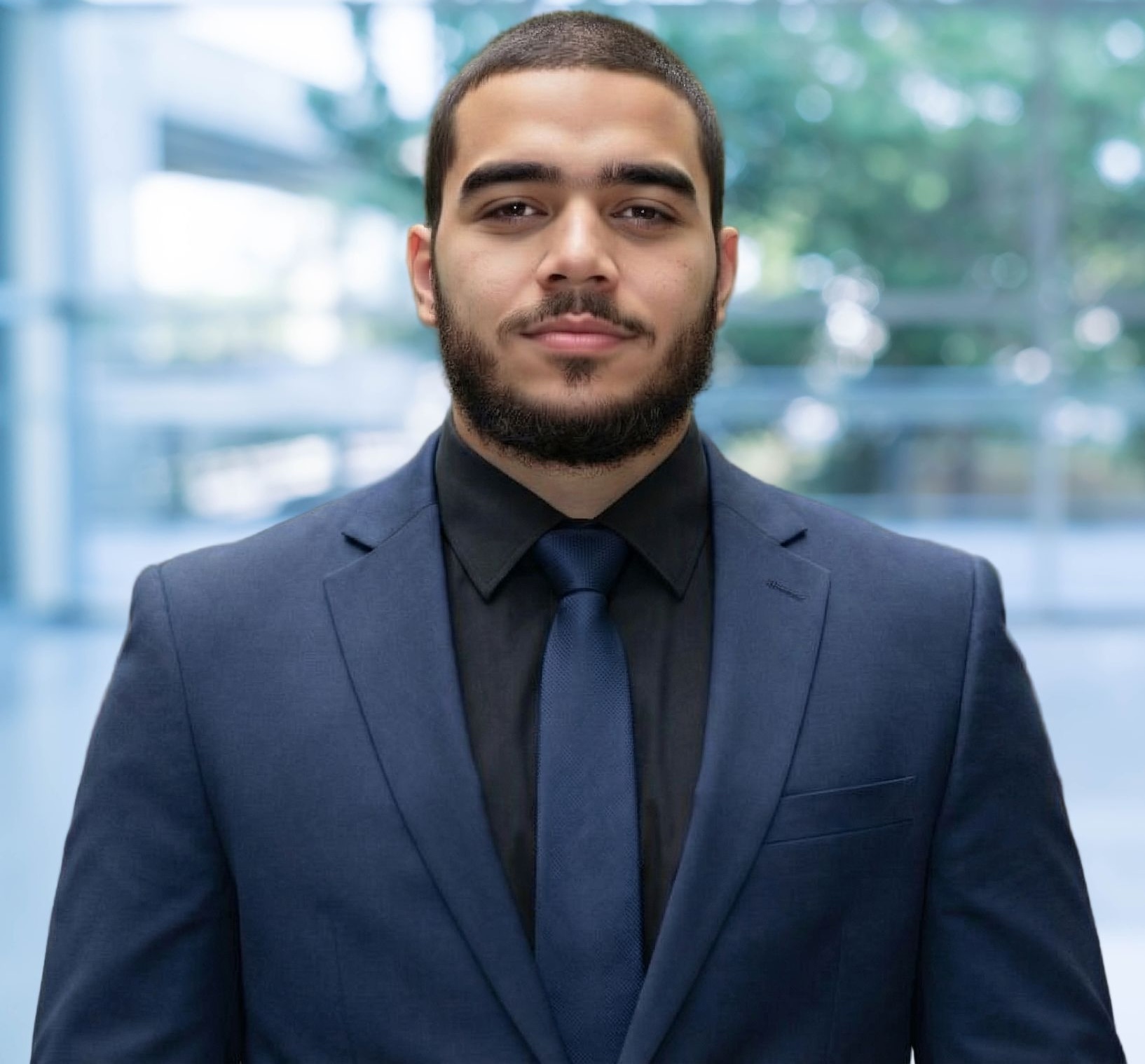
Hi, I'm Sam. I broker health insurance from Tampa with an Alabama license, and every client conversation I have is over the phone.
Think of an air conditioning company in Daphne running four vans around Mobile Bay, from midtown Mobile and Saraland across to Fairhope, Foley and the high-rise condos at Gulf Shores. On the Gulf Coast, cooling is close to a year-round business. Then a tropical storm or hurricane comes ashore and the schedule explodes: drowned condensers, wet ductwork, rooftop units peeled off by wind. Great for revenue, rough on planning, and the owner is the one who buys the family's health plan.
One thing holds no matter what: you can still get a nationwide PPO in Alabama, and I'll arrange it when it fits.
Around Mobile Bay, though, the marketplace PPO earns a fair hearing. Mobile and Baldwin each list 33 EPOs and 10 PPOs for 2026 from 3 insurers, with no HMOs. For a 40-year-old on silver and no subsidy, the least expensive PPO comes in 3% over the least expensive EPO in Mobile and 4% over it in Baldwin. That small premium buys real out-of-network coverage: an EPO pays outside its network only for emergencies, while a PPO keeps paying a share of ordinary visits, no referral required. A private nationwide PPO is priced after medical underwriting.
Your premium tax credit is figured from the household's income for the coverage year; for an AC company that's net self-employment income: sales less equipment, refrigerant, parts, the vans, licensing and insurance. You give HealthCare.gov your best estimate and revise it as the year unfolds.
A storm can dump months of replacement jobs on you in a few weeks. As soon as that's clear, raise the figure, and the credit trims itself for the remaining months instead of coming back on your tax return. When a season stays calm, lowering the figure can do the opposite.
Then HealthCare.gov is the place to buy, because the credit can't be spent elsewhere. Down here I'd usually lean toward the PPO, since a few percent before credits buys the freedom to see doctors outside a single network. Families whose doctors all belong to an EPO can keep it.
Don't let a slow year surprise you. KFF lists Alabama's Medicaid limit for parents at 18% of the federal poverty level, and other adults have no income-based route at all, while the credit usually starts at 100% of the poverty level. Low guesses can backfire.
Next step: Send your county, the family members to cover and last year's profit, and I'll price the Mobile Bay PPO and EPOs after your credit.
A shop that size usually earns past the credit range, and then HealthCare.gov's sticker price applies to every plan. That's when a healthy family should get a medically underwritten nationwide PPO quote. The private plans ask about your health first, and that check is what lets them price healthy people below the marketplace's full rate. The flip side is that they can say no, or exclude one prior condition. The network goes wherever you do, from a supply run to Pensacola to a family visit up north, and I'll explain each plan's benefits before you decide.
Next step: Phone me with your zip and everyone's ages, and a nationwide PPO quote will go next to the Mobile and Baldwin marketplace plans.
A family member who needs regular specialist care or daily medicine should stay on HealthCare.gov, however the business does. Those plans accept every applicant at the same price regardless of health. Because the PPO costs so little more here, it's often the better pick for that person, particularly when a needed specialist isn't in an EPO network.
Next step: Share the doctors and medicines your family relies on, and I'll see which Gulf Coast plans include them.
Straight answers, no sales pitch.
No. For 2026 it has 33 EPOs and 10 PPOs, and no HMOs.
3% in Mobile and 4% in Baldwin, comparing the least expensive silver plans for a 40-year-old before subsidies.
Yes. Once the storm work clearly makes your year bigger, update it so the credit adjusts right away instead of at tax time.
Rarely. KFF lists Alabama's limit for parents at 18% of the federal poverty level, with no income-based path for other adults.
Tell me your county, who needs coverage and how the business did last year. I'll lay the Mobile Bay marketplace options beside a nationwide PPO, priced, and say which I'd choose.
The guide for every state, and other work I help with